How to Paint High-Ceiling Rooms Without Streaks or Lap Marks
High ceilings expose streaks and lap marks fast. Learn what causes them, how to avoid them, and how pros deliver smooth finishes on tall walls.

High ceilings look incredible when they are done right, but they are also where paint jobs go wrong the fastest. If you have ever looked up at a freshly painted tall wall and noticed streaks, uneven color, or visible roller marks once the light hits it, you are not alone.
This guide explains why streaks and lap marks happen in high-ceiling rooms, how to avoid them, and what professional painters do differently to get smooth, even results in Utah homes.
Why High-Ceiling Rooms Are So Hard to Paint
Painting a standard 8-foot wall is one thing. Painting a 12-, 16-, or 20-foot wall is a completely different job.
- Longer drying times across large surfaces
- Inconsistent roller pressure at height
- Hard-to-reach edges and cut-in areas
- Strong natural light that exposes flaws
- Faster drying in Utah's dry air
What Causes Streaks and Lap Marks on Tall Walls
Before talking about solutions, it helps to understand the problem.
1. Paint Drying Too Fast
In Utah, paint dries faster than many people expect. On tall walls, this means one section can start drying before the next section is rolled, creating visible overlap lines.
2. Inconsistent Roller Pressure
As painters work higher up, pressure often changes. Even slight differences can cause darker or lighter streaks on the wall.
3. Poor Section Control
Tall walls require painting in controlled, continuous sections. Breaking the wall into uneven segments almost guarantees lap marks.
4. Improper Paint or Roller Selection
Using the wrong nap length or low-quality paint makes it harder to maintain a consistent finish across large vertical surfaces.
DIY Tips to Reduce Streaks on High Ceilings
If you are tackling a high-ceiling room on your own, these steps help:
- Use high-quality paint with good leveling properties
- Choose the correct roller nap (usually 1/2 inch or thicker for tall walls)
- Work in long, continuous vertical sections
- Keep a wet edge at all times
- Avoid stopping mid-wall
- Do not over-roll once paint starts to set
Even with these tips, high ceilings remain one of the hardest areas to get perfect without experience. If you are weighing whether to DIY, reviewing our full range of painting services can help you compare options.
Why High-Ceiling Rooms Are Where DIY Often Falls Apart
Most homeowners do not realize how much timing and coordination matters on tall walls. By the time you reposition ladders, extend poles, or move scaffolding, paint may already be setting. That is when streaks appear, not because the painter did something wrong, but because the wall is simply unforgiving.
This is why many homeowners choose professional interior painting services in Utah specifically for rooms with vaulted or high ceilings.
How Elevate Paint Pros Prevents Streaks and Lap Marks
High-ceiling rooms are treated differently than standard spaces. We do not just scale up the same approach, we adjust the entire workflow.
1. Paint Selection Based on Wall Height and Light
We choose paint products that level properly on large surfaces, maintain consistency across long drying windows, and perform well in Utah's dry climate.
2. Section Planning Before the First Stroke
Before any paint goes on the wall, we map out where sections start and end, how painters will move vertically, and how to maintain a wet edge from top to bottom.
3. Consistent Pressure and Technique
High-ceiling painting requires steady, uniform pressure, especially at full extension. Our painters are trained to maintain even roller loading, consistent stroke speed, and controlled overlap.
4. Proper Equipment for Tall Walls
High ceilings require more than just a longer pole. Depending on the room, we use adjustable extension systems, proper ladder or scaffold setups, and tools that allow stable, repeatable strokes.
5. Continuous Workflow (No Stop-and-Go Painting)
We paint high-ceiling walls in continuous passes, ensuring the entire surface stays workable until the section is complete. This is one of the biggest differences between professional results and streaky finishes.
High-Ceiling Rooms Where Streaks Show the Most
- Living rooms with large windows
- Open-concept spaces
- Staircases
- Entryways
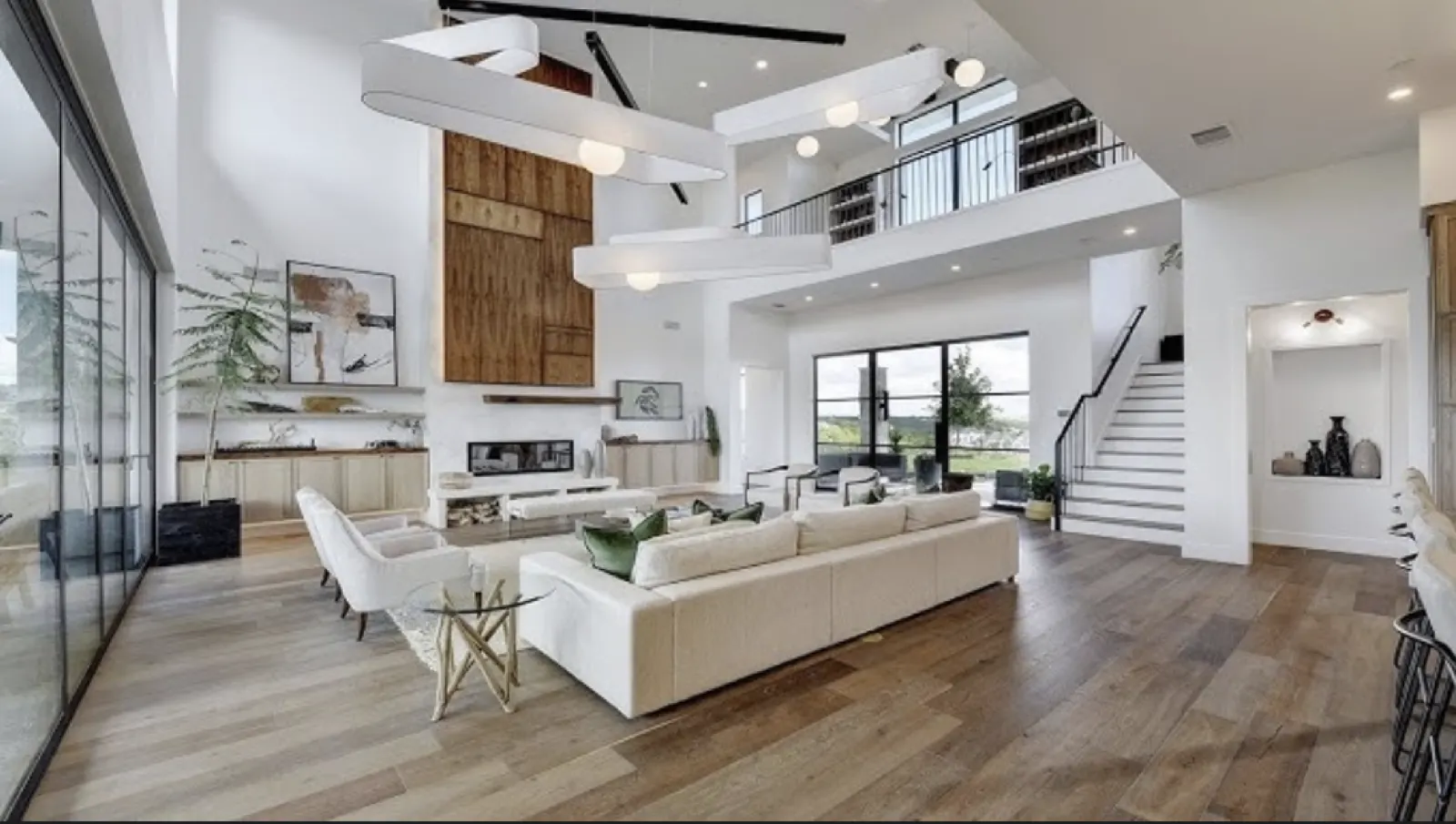
- Two-story great rooms
Natural light from Utah's clear skies will reveal imperfections quickly. You can see examples of clean, even finishes in our Utah living room painting gallery.
Is It Ever Worth Repainting a Streaky Wall?
Yes, but it requires proper sanding, correct primer use, and a full, even repaint. Spot fixes rarely work on tall walls. Once lap marks exist, they usually need a full repaint to truly disappear.
When to Call a Professional for High Ceilings
- Ceilings are over 10 feet
- Walls are highly visible from multiple angles
- Natural light highlights imperfections
- You want a flawless, uniform finish
- You do not want to repaint twice
Why Utah Homeowners Trust Elevate Paint Pros for High Ceilings
Utah homeowners choose Elevate Paint Pros because we understand how paint behaves in Utah's climate, how light affects tall walls, and how to prevent streaks before they happen. We do not rush high-ceiling rooms or treat them like standard walls.
Get a Free Estimate for High-Ceiling Interior Painting
If you are dealing with a tall room and want it done right the first time, a professional assessment makes all the difference.
Call Elevate Paint Pros: (801) 512-2916
Get a Free Estimate: https://www.elevatepaintpros.com/services
Frequently Asked Questions About Painting High-Ceiling Rooms
Why do high-ceiling walls show streaks more easily?
High-ceiling walls dry unevenly because paint is applied over a much larger surface area. In Utah's dry climate, paint can begin drying before the next section is rolled, which creates visible lap marks and streaks, especially in rooms with strong natural light.
What causes lap marks when painting tall walls?
Lap marks are caused when paint overlaps onto areas that have already started to dry. This often happens when painters stop mid-wall, use inconsistent pressure, or work too slowly on tall surfaces where repositioning ladders or poles takes time.
What type of paint is best for high-ceiling rooms?
Paints with good leveling properties and longer open time work best for high ceilings. High-quality interior paints designed for large surfaces help reduce streaking and create a more uniform finish across tall walls.
What roller nap should be used on high-ceiling walls?
Most high-ceiling rooms require a 1/2-inch nap roller or thicker, depending on wall texture. Using the wrong nap can cause uneven coverage and increase the likelihood of visible roller marks.
Can you fix streaks on a high wall without repainting the entire wall?
In most cases, no. Spot fixes rarely blend properly on tall walls. Correcting streaks usually requires sanding, proper priming, and repainting the full wall from top to bottom to achieve a consistent finish.
Is it harder to paint vaulted ceilings than flat ceilings?
Yes. Vaulted ceilings and tall walls require more planning, better equipment, and consistent technique. Without proper section control and timing, uneven finishes are much more likely to occur.
Does Utah's climate affect how paint behaves on high walls?
Absolutely. Utah's dry air causes paint to dry faster, which reduces working time. This makes maintaining a wet edge more difficult, increasing the risk of lap marks if the process is not carefully managed.
How long does it take to paint a room with high ceilings?
Rooms with high ceilings often take longer than standard rooms due to setup, prep, and careful application. Most projects take 1 to 2 days, depending on wall height, surface condition, and the number of coats required.
Should high-ceiling rooms be painted by professionals?
High-ceiling rooms are one of the most common areas where homeowners choose professional painters. The combination of height, lighting, and drying time makes these spaces far less forgiving than standard rooms.
How do professional painters avoid streaks on tall walls?
Professional painters plan wall sections in advance, use the correct paint and equipment, maintain consistent pressure, and complete walls in continuous passes to keep a wet edge from top to bottom.
When should I consider hiring a professional for high-ceiling painting?
You should consider professional help if your ceilings are over 10 feet tall, the walls receive strong natural light, or you want a smooth, flawless finish without the risk of repainting.